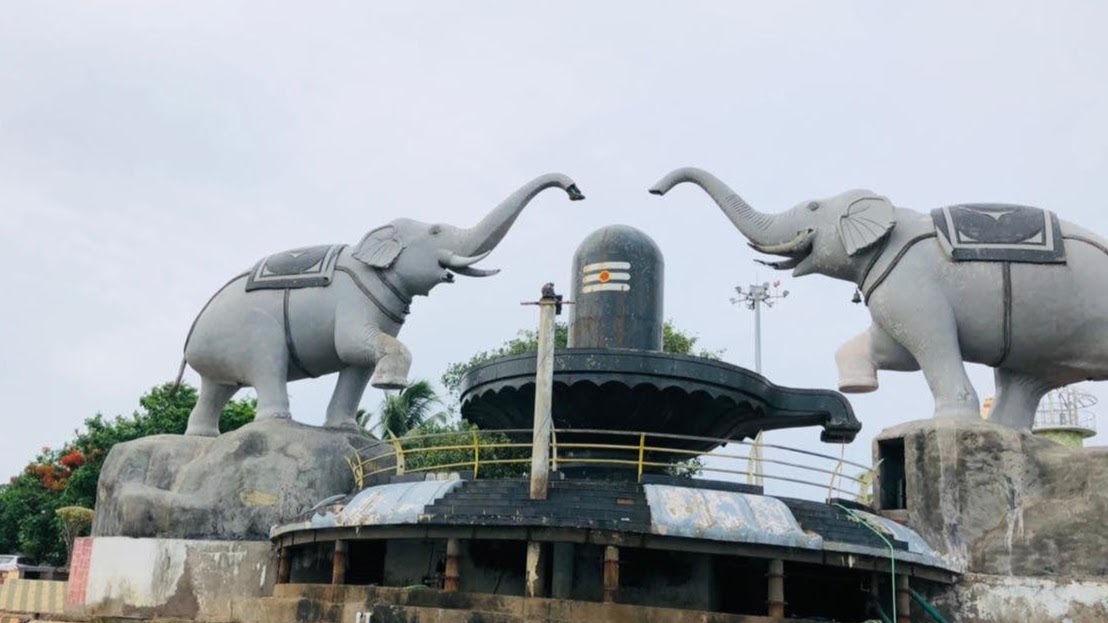
Maha Shivaratri, meaning “The Great Night of Shiva,” is one of the most sacred festivals in Hinduism. It is devoted to Lord Shiva, the symbol of destruction of evil, transformation, and supreme consciousness.
Unlike most Hindu festivals that are celebrated with joy and outward festivities, Shivaratri is deeply spiritual and introspective, focusing on meditation, fasting, and awakening inner awareness by overcoming darkness and ignorance.
In 2026, Maha Shivaratri will be observed on Sunday, February 15.
Important Dates & Timings (IST)
- Maha Shivaratri Date: Sunday, February 15, 2026
- Chaturdashi Tithi Begins: Feb 15, 2026 – 5:04 PM
- Chaturdashi Tithi Ends: Feb 16, 2026 – 5:34 PM
- Nishita Kaal (Midnight Puja): Feb 16, 2026 – 12:09 AM to 1:01 AM
- Parana (Breaking the Fast): Feb 16, 2026 – 6:59 AM to 3:24 PM
Why Maha Shivaratri Is Celebrated
Several sacred legends explain the spiritual importance of this divine night:
The Divine Marriage
Maha Shivaratri marks the wedding of Lord Shiva and Goddess Parvati, symbolizing the union of Shakti (energy) and Shiva (consciousness)—the foundation of creation.
The Cosmic Dance (Tandava)
It is believed that on this night, Lord Shiva performed the Tandava, the cosmic dance representing creation, preservation, and destruction of the universe.
The Saving of the Universe
During Samudra Manthan, deadly poison (Halahala) emerged from the ocean. To protect the universe, Shiva drank the poison, which turned his throat blue, earning him the name Neelkanth.
How to Observe Maha Shivaratri
Devotees observe the festival with deep devotion and discipline:
Fasting (Vrat)
- Many keep a full-day fast
- Some consume only fruits and milk
- Others observe Nirjala Vrat (without food or water)
Abhishekam
- Ritual bathing of the Shiva Lingam
- Offerings include milk, honey, curd, ghee, water, and sacred ash
Sacred Offerings
- Bilva (Bel) leaves are considered most auspicious and dear to Lord Shiva
Jagran (Night Vigil)
- Devotees stay awake all night
- Chanting “Om Namah Shivaya”, Rudram, and bhajans
Meditation
- Planetary alignments make this night powerful for spiritual growth
- Meditating with an upright spine is believed to enhance inner energies
Major Shivaratri Celebration Hubs in India
- Varanasi (Kashi Vishwanath, Uttar Pradesh)
Grand processions, night-long rituals, and intense devotion - Isha Yoga Center (Coimbatore, Tamil Nadu)
Massive meditative and musical celebration led by Sadhguru - Ujjain (Mahakaleshwar, Madhya Pradesh)
Famous for the unique and sacred Bhasma Aarti
Spiritual Essence of Maha Shivaratri
Maha Shivaratri reminds devotees to:
- Turn inward and reflect
- Practice self-discipline
- Seek liberation through devotion and meditation
“Shivam” means auspiciousness — may Lord Shiva bless you with peace, clarity, and spiritual strength.
Shivaratri Fasting & Prasad
Food prepared on this day is sattvic, pure, and simple, offered with devotion and restraint.
Shivaratri fasting follows Phalahari principles, focusing on fruits, milk, roots, nuts, and seeds, while avoiding onion, garlic, and heavy spices. In many traditions, certain rice-based dishes are prepared as prasad and consumed after breaking the fast.
This guide brings together North and South Indian Shivaratri fasting foods and prasad recipes in one clear, devotionally accurate format.
Sacred Drinks & Cooling Prasad
- Panchamrutham: Prepared using milk, curd, honey, sugar, and ghee.Used for Shiva Abhisheka and later distributed as prasad.
- Thandai: A cooling milk-based drink made with almonds, fennel seeds, watermelon seeds, rose petals, pepper, and cardamom.Homemade fasting versions avoid bhang.
- Panakam: A traditional South Indian drink made with jaggery, water, dry ginger, and cardamom.Helps balance body heat and keeps devotees hydrated.
Fasting Essentials
- Rock Salt (Sendha Namak): Sendha namak is the only salt traditionally used during vrat. It is considered pure, sattvic, and suitable for sacred fasting.
- Kuttu Atta (Buckwheat Flour): Though commonly called a grain, buckwheat is a seed and is fasting-approved. Used to prepare rotis, puris, and snacks during Shivaratri.
Hearty Fasting Foods (Falahari)
Sabudana Recipes
- Sabudana Khichdi
- Sabudana Vada
- Sabudana Kheer
Sweet Potato
- Boiled sweet potato with sendha namak
- Sweet Potato Halwa
- Sweet Potato Kheer
Samak Rice (Barnyard Millet)
- Samak rice pulao
- Samak rice kheer
Makana (Foxnuts)
- Roasted makhana with ghee and rock salt
- Makhana kheer
South Indian Traditional Prasad
- Tambittu (Karnataka): A roasted gram or ragi-based sweet, often shaped like lamps and offered to Lord Shiva.
- Pachi Chalimidi: A raw sweet made with soaked rice flour and jaggery, usually served with Vada Pappu.
- Banana Rasayana: Ripe bananas mixed with coconut milk, jaggery, and cardamom.
Rice-Based Prasad (Where Rice Is Allowed)
- Chitrannam: Lemon or tamarind-flavored seasoned rice.
- Paramannam: Sweet rice prepared with milk, jaggery, and ghee.
- Sweet Pongal (Bellam Pongali / Sakkarai Pongal): A sacred dish made with rice, moong dal, jaggery, ghee, cashews, and cardamom.
- Daddojanam (Curd Rice): Cooling yogurt rice with mild tempering, ideal after fasting.
- Sweet Poha (Bellam Atukulu / Sweet Aval): Flattened rice cooked with jaggery, coconut, ghee, and cardamom.
Devotional Note
- Rice is lovingly offered as prasad in many traditions.Devotees observing a strict Shivaratri vrat partake of rice dishes only after completing the fast, following family or temple customs.
Sweets, Kheer & Halwas
- Wheat Halwa (for non-grain fasts)
- Rava Halwa
- Sweet Potato Halwa
- Coconut Ladoo
- Malpua (ghee-fried pancakes soaked in sugar syrup)
- Sabudana Kheer
- Sweet Potato Kheer
- Makhana Kheer
Complete Shivaratri Food Summary
- Fruits and milk
- Coconut and nuts
- Makana
- Sweet potato
- Sabudana
- Samak rice
- Kuttu atta dishes
- Tambittu
- Pachi Chalimidi
- Banana Rasayana
- Chitrannam
- Paramannam
- Sweet Pongal
- Daddojanam
- Sweet Poha
- Halwas and kheer varieties
- Malpua
- Panchamrutham
- Thandai
- Panakam